How social are your residential properties? It’s a legitimate question — after all, housing is highly relevant to society. The importance increases noticeably when there is a lack of sufficient living space. Nevertheless, it is often unclear which criteria can be used to determine the social value of housing. A study by PricewaterhouseCoopers (PwC) in collaboration with the Bundesverband deutscher Wohnungs- und Immobilienunternehmen e. V. (Federal Association of German Housing and Property Companies) provides answers. In today’s Valdivia expert tip, we present the most important results — and thus good arguments for marketing your newly built or refurbished properties as socially sustainable.
Social sustainability in residential property
The question of the social value of housing has not only arisen since the United Nations set social sustainability goals. The PwC study shows that the majority of companies surveyed have long considered social factors. This applies to construction measures, rental price calculations, and purchase and sale decisions. However, clear criteria that would enable this social value to be determined in terms of sustainable property quality, and thus make it possible to argue for it, are barely known or missing..
The study first analyses which of the 17 UN Sustainable Development Goals can be applied directly or indirectly to the social factors of housing:
- Affordable, secure housing
is expressed in “no poverty” (1) and “fewer inequalities” (10).
- Quality of
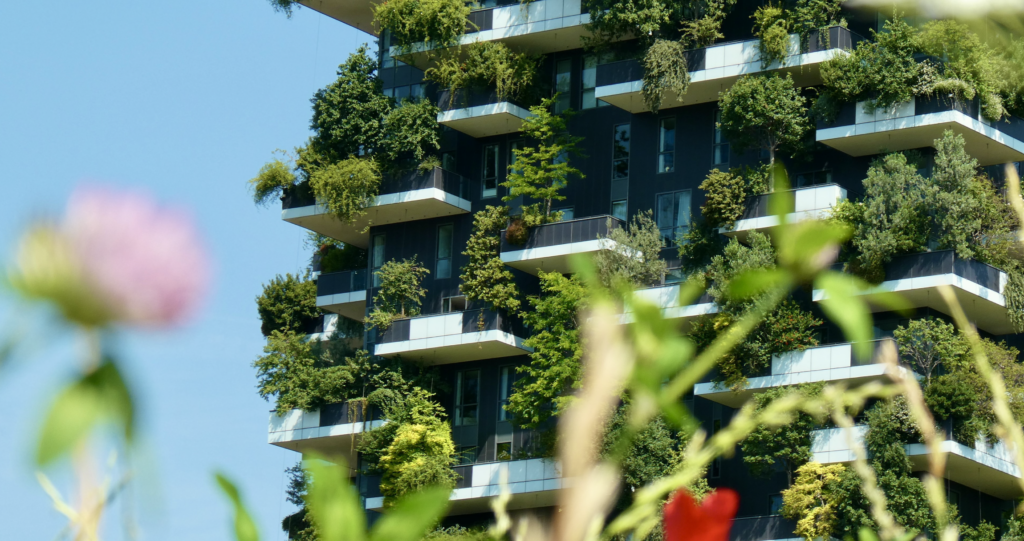
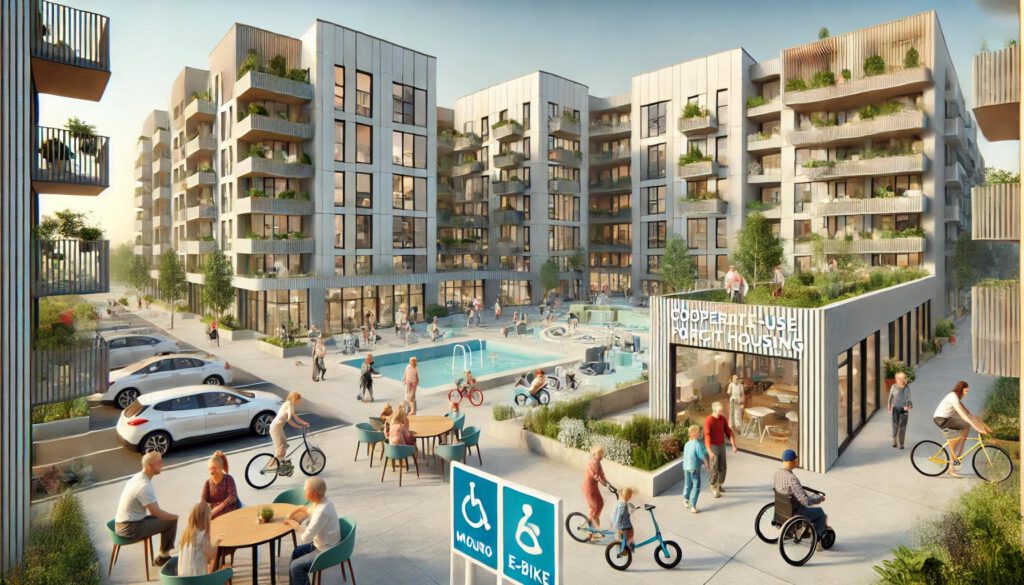
The quality of life, e.g. through green spaces around the house or on roofs, is reflected in “Health and well-being” (3) and “Life on land” (15).
- Social compatibility
is included in “Sustainable design of cities and communities” (11). We have already presented one aspect, Farming 2.0 for construction projects, in the Newsroom.
- Sustainable infrastructure
e.g. mobility (bicycle friendliness, public transport access) and waste disposal results from “Sustainability in consumption and production” (12).
24 Factors for the social housing value
In the next step, the PwC study derives 24 individual factors in five categories from the UN goals that contribute to social housing value. The study also analyses the weighting assigned to each of these factors by the 18 housing companies surveyed:
1 — Rent amount
Surprisingly, a “cold rent below the market average” only achieves an average value of 50% for “important” or “very important” (also summarised below)
2 — Neighbourhood quality
The results in the second category vary. For example, respondents rated a parcel pick-up station as hardly relevant (11%); fast-charging stations (34%) and care centres (22%) were not considered to be of any great importance either. Childcare facilities (50%), especially for children, and above all green and open spaces in the neighbourhood (55%) appear to be more important.
3 — Community
This category includes two factors representing the social integration of residents in the neighbourhood: Offers for joint events were rated lower (34%). Conversely, areas suitable for all generations (50%), including children’s playgrounds, football pitches and boules facilities, are of greater interest — as are community gardens and small catering establishments, which were not mentioned in the study, as social meeting places.
4 — Quality of living
It is obvious that this category includes most of the individual factors; they are listed here according to their weighting:
- Barrier-free access to the property (83 %)
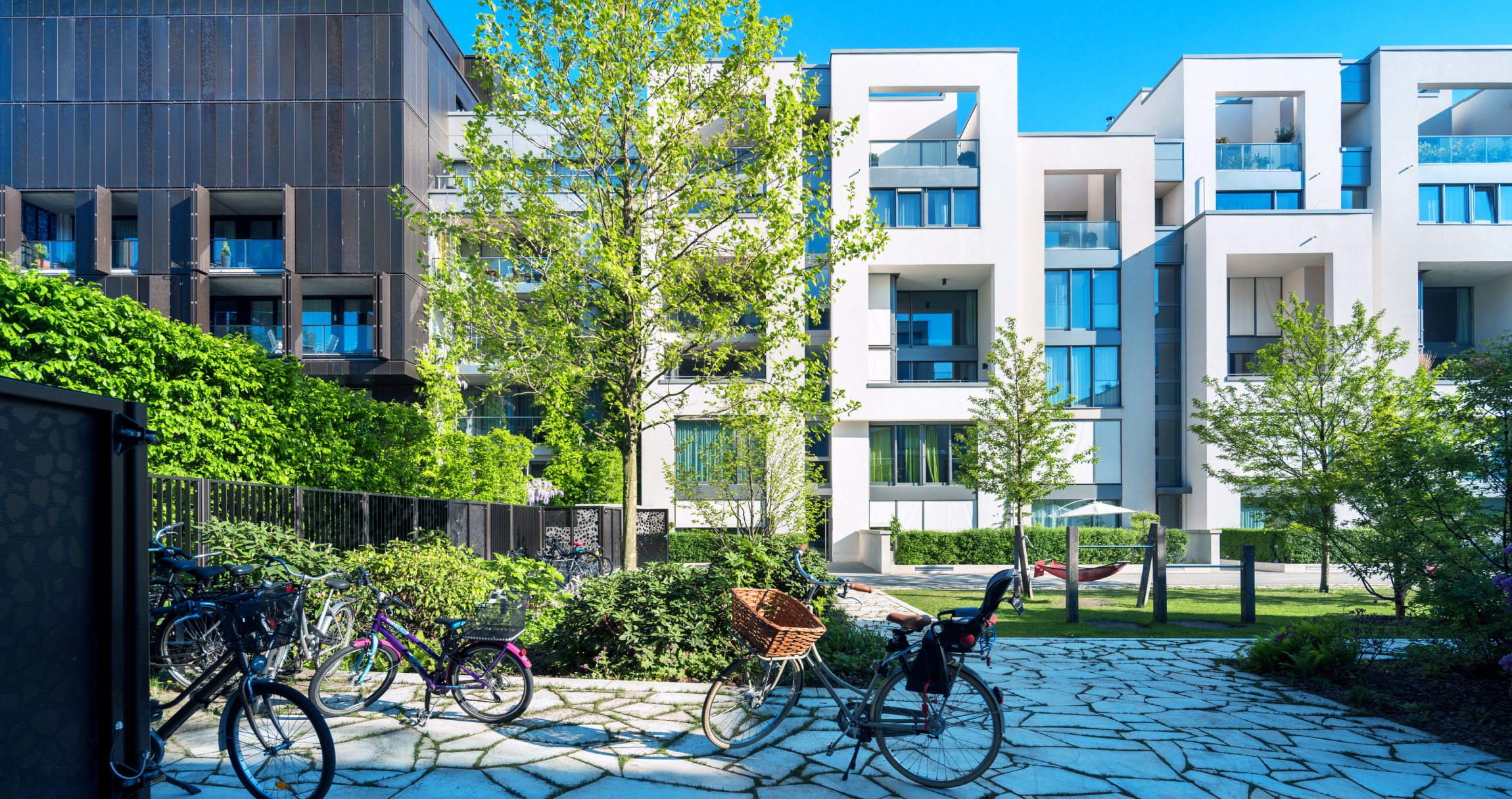
- Sufficient number of bicycle parking spaces (72 %)
- Sufficient number of parking spaces for pushchairs (72%)
- Low-barrier rental space (61 %)
- Privately usable outdoor areas (61 %)
- Shared green spaces (56 %)
- User-friendly facilities for waste collection and separation (55%)
- Adequate number of parking spaces for wheelchairs and walking frames (50 %)
- Aesthetic design in public areas (34 %)
- Attractive design of the stairwells (28 %)
It should be noted that the last two points are primarily a matter of taste. We therefore view their low weighting with caution: it has been shown too often, especially in older large residential complexes, that a less appealing design can very well contribute to a significant reduction in social quality.
5 — Security
Overall, this category has only recently been properly recognised. For example, the obligation to install smoke alarms has only been in place for a good ten years; smart technologies are still the exception in private residential buildings. The study lists six individual factors:
- Burglar-resistant flat doors (67 %)
- Comprehensive outdoor lighting (50 %)
- Visible entrances and flat doors (45 %)
- Mailboxes to be loaded from the outside, emptied from the inside (39 %)
- Door intercoms with or without camera (39 %)
- Smart living elements (28 %)
However, given the low ranking of smart living elements, it should be borne in mind that the relevant technologies are developing rapidly. For example, AI-supported assistance systems for senior citizens could become significantly more important in the near future.
Social score with high benefits
The results of the PwC study enable well-founded conclusions to be drawn about the extent to which a property achieves social sustainability. This enables comparative values to be determined for property planning or purchases, a risk score to be calculated, and verifiable quality statements to be made for communication purposes. This also applies, for example, if you are considering converting office space into residential space. Here, a social score can make your decisions easier and subsequently help to convince investors or the public.
Sources
- “Housing — the new social issue?” — IW-Analyses 136, Research reports from the German Economic Institute, 2020
- “Majority satisfied with housing situation, but cramped living conditions for families” — DIW Wochenbericht 41, Deutsches Institut für Wirtschaftsforschung e. V., October 2024
- “Social value in the housing industry” — PricewaterhouseCoopers GmbH, June 2023
(Image source: istockphotos)