By Daniel Bauer, Managing Partner at VALDIVIA
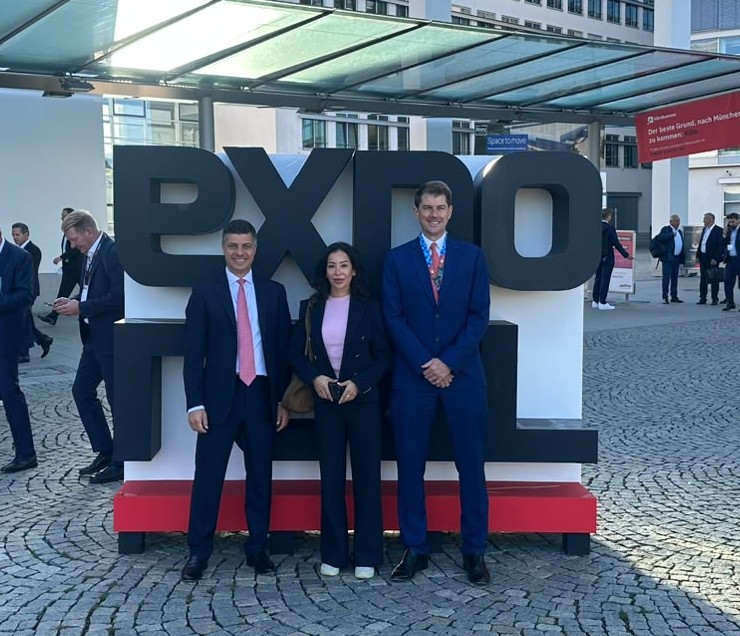
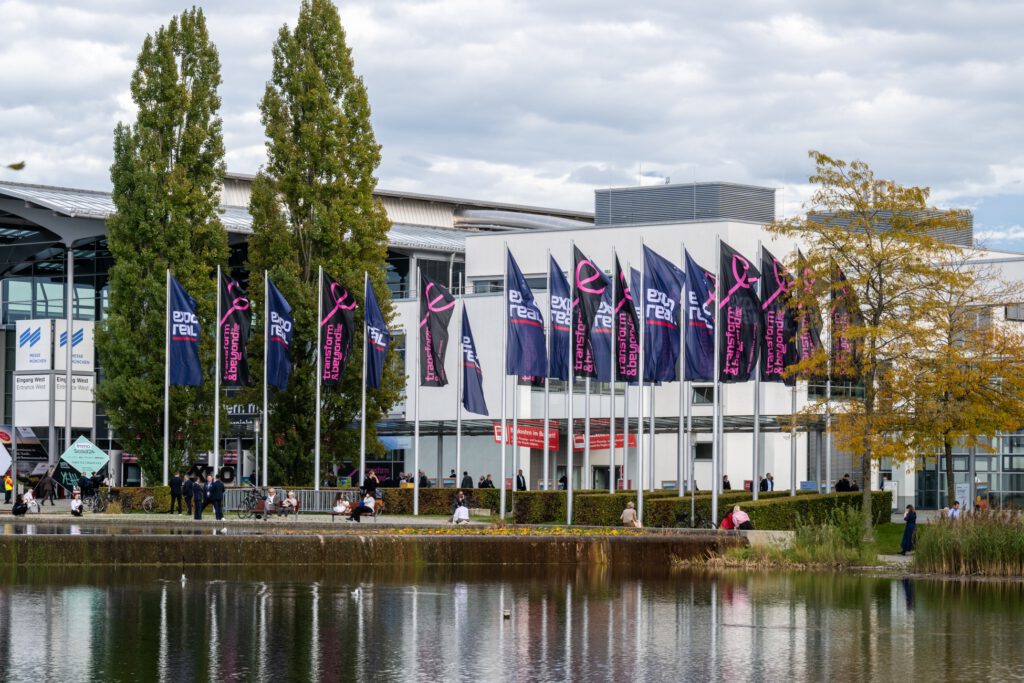
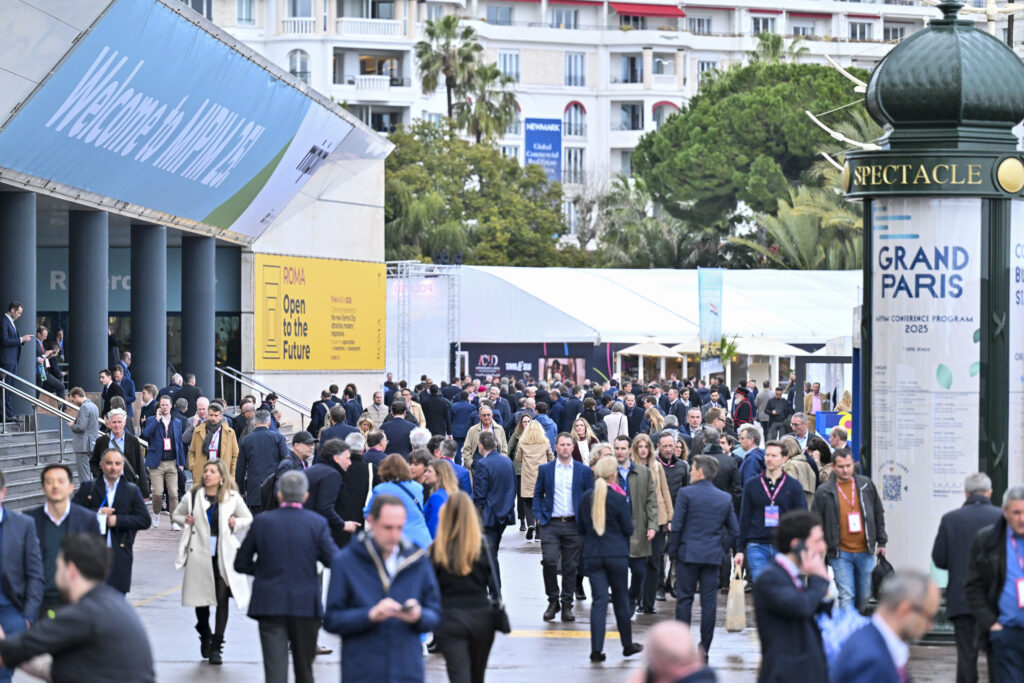
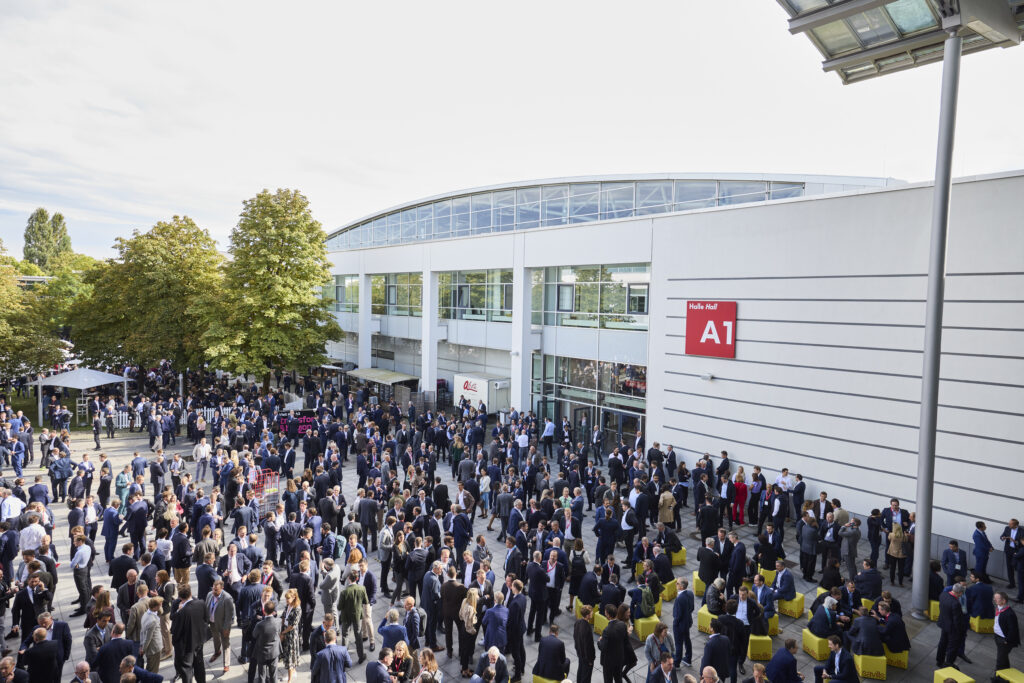
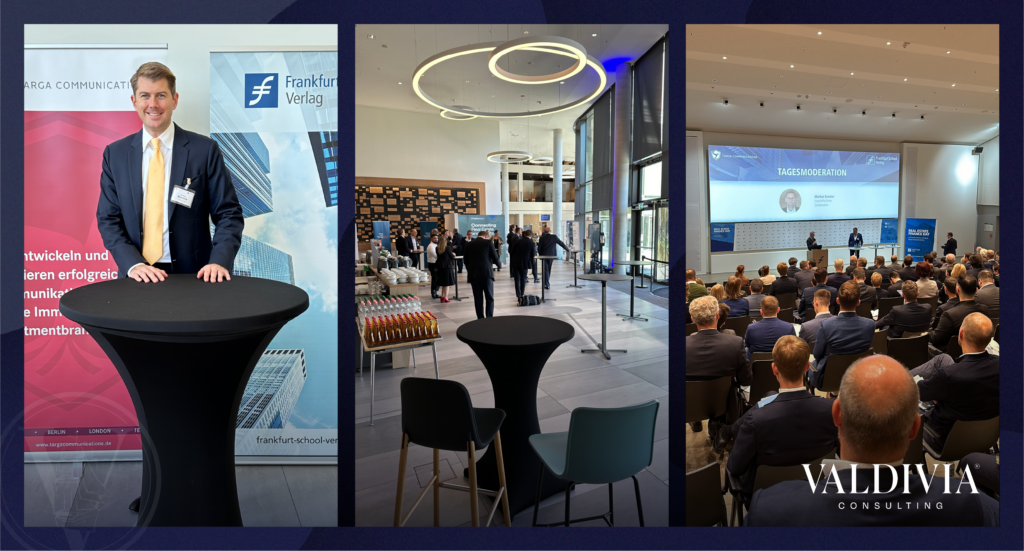
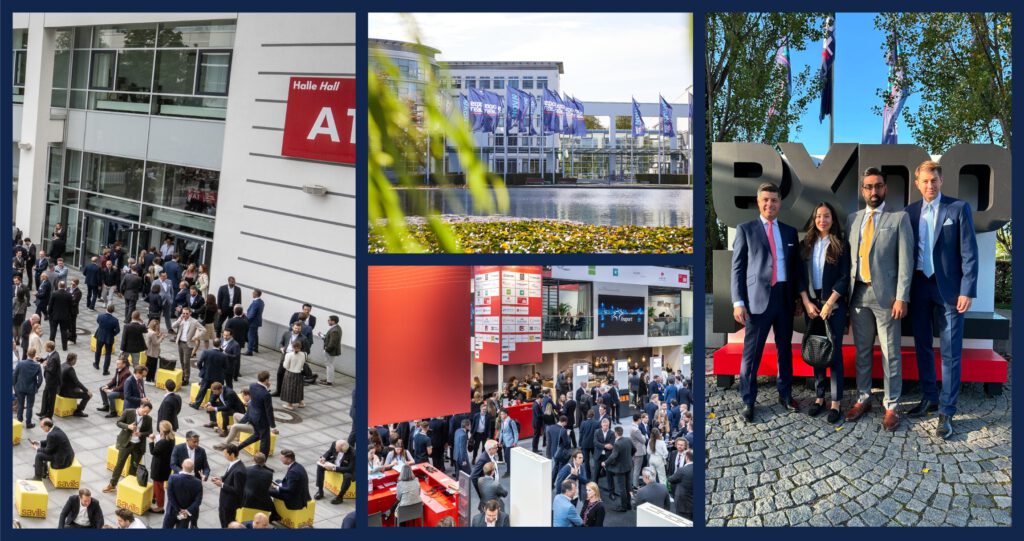
We kicked off EXPO REAL 2026 on Monday in glorious autumn weather. The evening before, we had already kicked off the event with our traditional VALDIVIA Boardroom Lunch at the Käfer Wiesn Schänke, together with clients, partners and long-standing associates. The discussions there and over the following days of the trade fair reflected a trend that has particularly struck us this year.
Following numerous discussions with investors, property owners, asset managers, project developers, fund representatives, family offices and executives from Germany, Europe, the UK and the rest of the world, one impression stands out above all: the market seems strikingly more realistic than in previous years.
There is less wishful thinking and more sense of reality.
In recent years, the timing of the market recovery has been discussed at many events. The hope for a swift return to previous conditions was often palpable – or rather, a ‘tender little seedling’. This year, however, we have sensed a different mood: many of those we spoke to have accepted that the current market environment is more than just a brief transitional phase. Interest rates, financing costs, valuation levels, capital requirements and the geopolitical situation have changed the rules of the game. Instead of waiting for a return to the old days or hoping that the situation will improve in the near future, companies have for some time now been grappling with the question of how they can operate successfully under today’s conditions. The mood was by no means euphoric. At the same time, we perceived significantly less paralysis than we did a year or two ago.
It is the same market, but different.
The much-cited ‘recovery’ does not apply to everyone and is by no means uniform. Whilst some market segments continue to gain momentum, others are falling by the wayside. As bitter as that is, that is simply the way it is. The differences between asset classes, locations and product qualities are becoming more apparent. The ‘flight to quality’ remains a defining theme, particularly in the office sector. At the same time, the living and logistics segments – with their hybrid forms – are on everyone’s lips.
Quality, resilience and the will to succeed are becoming decisive factors.
If we had to distil the many discussions down to a common denominator, it would probably be this: quality wins … in strategies. In business models. In people.
Because now is “Crunchtime”.
What does this mean for companies?
Companies must focus more closely on their own strategy and development. Rather than waiting for a return to previous market conditions, the focus is shifting to strategic priorities, quality and concrete – perhaps even unconventional – solutions. This became clear to me once again during numerous conversations at the Expo. At the same time, we are seeing a high degree of cost discipline, including on the ‘payroll side’. Investments are being scrutinised even more critically. New initiatives must be justified in a transparent manner. Resources are being deployed in a more targeted way. In many places, the focus is shifting away from opportunism and towards sustainable, demonstrable value creation.
Candidates must ask themselves: Candidates are doing the same. Today, the best executives no longer move jobs simply for a grander title or a higher salary. They ask different questions. How viable is the strategy? How is the company positioned? What prospects does the platform offer? How much scope for influence is there in reality?
What does this mean for VALDIVIA?
For us as an executive search consultancy, it was particularly fascinating to observe just how strongly this trend is also reflected in our market. The recruitment market currently operates according to mechanisms similar to those of the investment market. Companies are now filling leadership roles in a far more targeted manner than they did a few years ago. Senior hires must now make a clearly recognisable contribution to the company’s success. The days of traditional ‘nice-to-have’ appointments are largely over. At the same time, poor appointments at management level are more costly and carry a higher strategic risk. Consequently, the requirements are rising both in terms of professional competence – which increasingly demands ‘breadth’ – and in terms of the absolute personal and cultural fit. We have been observing this trend for months now. New leadership roles have also emerged, and the scope of responsibilities within traditional C‑level functions has broadened. Our clients are conducting recruitment processes even more carefully and thoroughly; decisions are being discussed in greater depth and candidates are being scrutinised even more closely.
Our conclusion
EXPO REAL 2026 has shown us a market that is waiting for better times. It has shown us a market that is beginning to adapt to the new conditions.
The challenges remain. There is no doubt about it.